
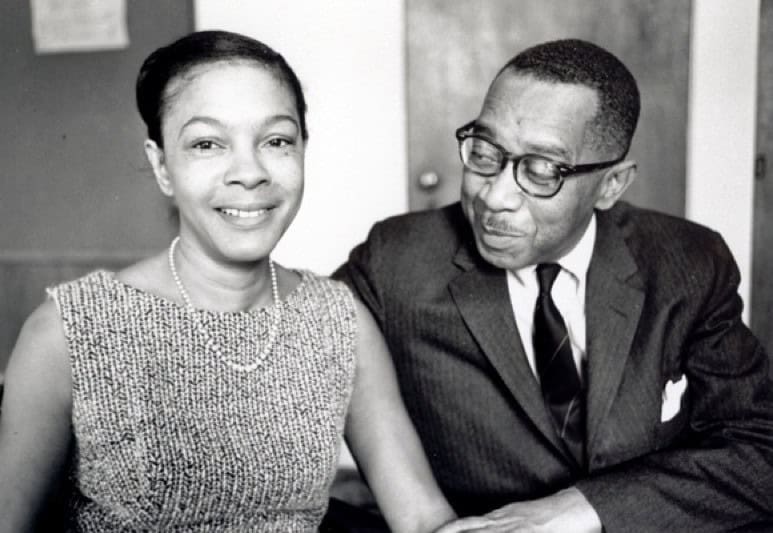
Mamie Phipps and Kenneth Clark
Story by: John Littrell
Winona, Minn – Hiawatha Valley Mental Health Center (HVMHC) seeks to honor Black History Month by exploring how African Americans have shaped mental health. The lives and works of these individuals and more have had a profound and continuous effect on the understanding and improvement of African American mental health and beyond.
To help combat stigma around mental health and celebrate these individuals, HVMHC acknowledges how mental health and psychology have been instrumental in the continuous struggle for racial equality, from the beginning of the Civil Rights movement to current day psychology research.
Mamie Phipps Clark, Ph.D. and Kenneth Bancroft Clark, Ph.D. were the psychologists responsible for the well-known “Doll Study,” which showed the negative psychological effects of segregated schools on African American children. The book Contemporary Black Biography describes how the “Doll Study” was used to argue to end segregation in American schools, ultimately leading to the decision made in Brown v. Board of Education, making them important figures in Civil Rights history. With segregation ended, African American children got nearer to receiving equal resources to their white counterparts.
Carrying on the march of progress for the care of African Americans, Joseph L. White, Ph.D. is regarded as the “father of Black psychology” for his article, “Toward a Black Psychology.” In this work, White argued that the world of psychology as it stood in 2019 and before had a heavy bias toward psychology from the white experience, and that a study of psychology from the perspective of the African American experience is vital to being able to truly understand and improve African American mental health (Mental Health America). Black psychology has since evolved into an academic and applied discipline.
The works of these people are examples of the continuous struggle for equality and have spearheaded work into the betterment of the understanding of psychology from the African American experience. At Hiawatha Valley Mental Health Center, we are dedicated to serving all members of the communities we operate in. As a part of this dedication, we recognize the struggles different communities face and work to deliver the care each person needs to grow and thrive.
For more information on these figures and more, visit https://mhanational.org/resources/black-pioneers-in-mental-health/
About Hiawatha Valley Mental Health Center
Founded in 1965, Hiawatha Valley Mental Health Center (HVMHC) provides comprehensive behavioral health services to individuals and families across Southeastern Minnesota. The organization is committed to delivering compassionate, person-centered care and fostering wellness in every community it serves.
For more information about HVMHC’s services, visit www.hvmhc.org. To schedule an appointment, individuals can call 1-800-657-6777 or visit www.hvmhc.org/contact/make-an-appointment.
HVMHC also oversees the Mobile Crisis Unit, available 24 hours a day in Fillmore, Goodhue, Houston, Wabasha, and Winona Counties. Assistance can be reached by calling 1-844-CRISIS2 (1-844-274-7472).