
By Ted Barthal, BS, LACD
Minnesota emergency department visits related to youth THC gummy ingestion have trended upward, following a broader national pattern tied to the increased availability, legal commercialization, and appealing candy-like packaging of hemp-derived and recreational cannabis edibles
Tetrahydrocannabinol (THC), the psychoactive ingredient in cannabis, has been added to all sorts of foods, such as chips and candies, and even drinks. These goods and their packaging can look like well-known brands, enticing children who may not be able to tell the difference between marijuana edibles and their safe snack lookalikes.
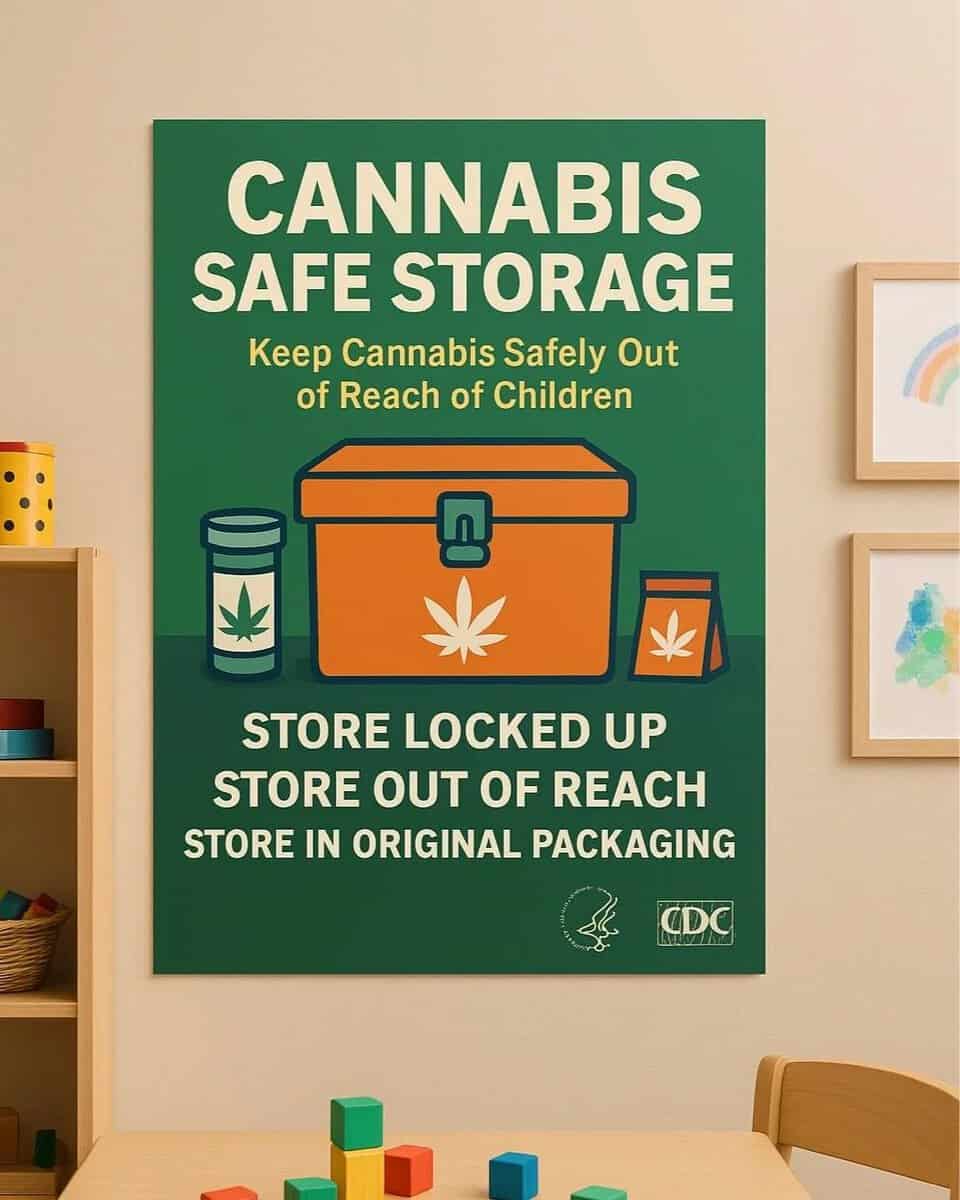
How to keep THC edibles away from kids
- Use smell-proof, child-proof containers: Not just for kids—dogs can get curious too.
- Lock it up or stash it high: A top shelf, lockbox, or coded safe = no accidental grabs.
- Clean up immediately: Put everything away right after use. -No gummies on your desk.
- Use them away from children. It is helpful to never use these products in front of your children. Not only could this affect your ability to care for them, but it could also potentially encourage them to copy you and try them as well.
- Don’t mix with regular food: Never store cannabis next to snacks or drinks—keep it in its own zone.
- Original Packaging: Keep them in their child-resistant packaging rather than transferring them to snack bags.
- Toss responsibly: Mix old edibles with coffee grounds or kitty litter before putting it in the garbage.
- Know the signs of a reaction: Signs of THC ingestion by children include vomiting, confusion, drowsiness, loss of coordination and being unsteady on their feet. In severe cases of overdose, children can experience hallucinations, an abnormally slow heart rate and low blood pressure.
- If a child eats a THC edible, parents should Immediately Call the free Poison Control hotline at 1-800-222-1222, regardless if symptoms are present. This is because edible THC products can take 30 to 60 minutes to have an effect, with the peak effect happening 3 to 4 hours later.
Talking to kids about THC
Now that THC edibles are legal in Minnesota and more states have legalized recreational marijuana, children are less likely to view them as harmful to their health and development. However, that perception does not line up with the real-life risks. Parents should talk to their children about the potential harm of THC and stress the particular risks of edible products. Treat these talks the same way you’d talk about other substances, like alcohol, tobacco and e-cigarettes, that are legal for adults but potentially harmful to kids.
Talk to friends, family, and all caregivers. Talk with anyone your child might be around about cannabis edibles and how to keep these products away from your children. Without judgement, you can simply remind them that children are curious and if they find edibles, they may consume them, and it could be very dangerous for them. Remember, you are looking out for your child and their best interests.
Works Cited:
https://www.childrensmn.org/blog/thc-edibles-minnesota-parents-can-prevent-accidental-poisoning/